
Solar Balcony
Balcony solar power systems offer a practical, accessible way for residents to generate clean energy, even in buildings without available roof space. As more people look for eco-friendly ways to power their homes, these compact plug-in solar systems have become particularly popular across world, helping individuals take steps toward energy independence.
- Energy Savings : By generating a portion of your electricity, balcony systems reduce dependency on grid power, leading to lower electricity bills.
- Accessibility for Urban Residents : Residents without roof space or permission to install full-scale solar panels can still enjoy renewable energy benefits through these compact systems.
- Energy Independence: Though balcony solar systems may not cover a household's full power needs, they can significantly offset consumption from the grid. This shift to self-generated electricity promotes greater energy self-sufficiency.
- Environmental Impact: Using solar power, even on a smaller scale, helps reduce carbon footprints, supporting efforts to mitigate climate change by relying less on fossil-fuel-derived grid energy.
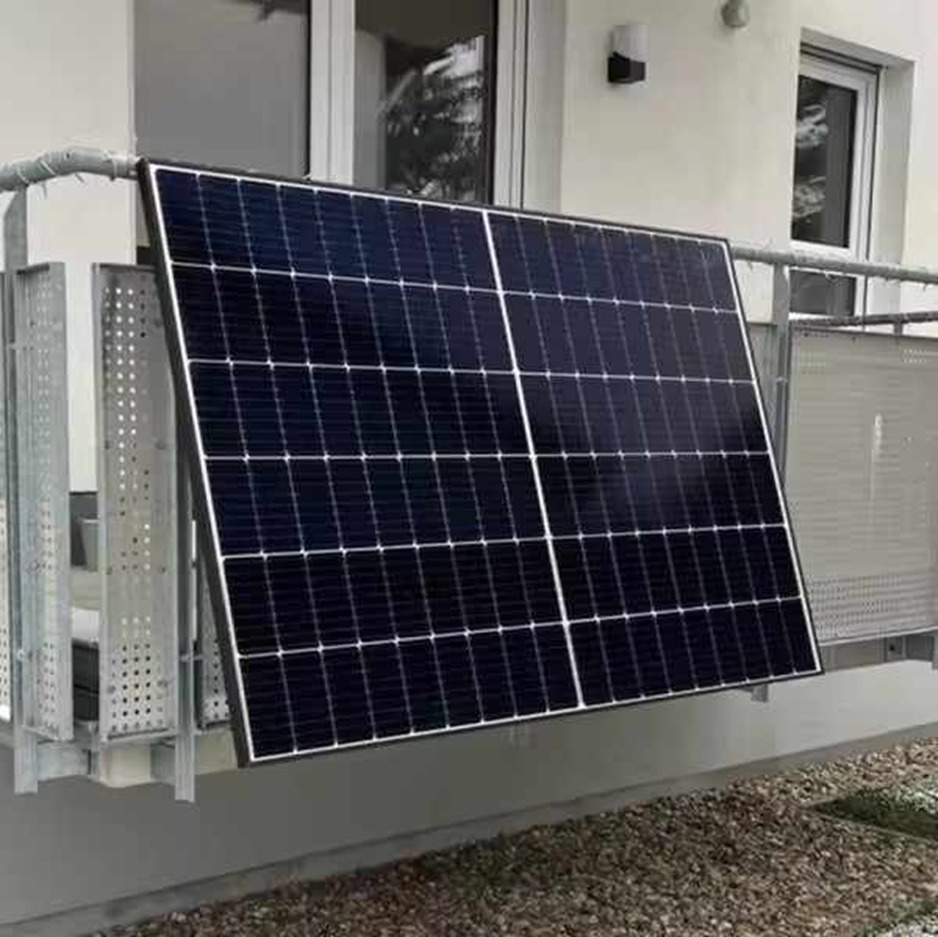
Components and Setup of Balcony Solar Power Systems
Each balcony solar system typically includes four main components:
- Photovoltaic (PV) Panels : These panels capture sunlight and convert it into electricity. The size and capacity of these panels are designed to fit small spaces like balconies while still delivering sufficient power.
- Mounting Structure : This frame holds the PV panels securely on the balcony, typically against railings or on stands, ensuring the panels face the sun for maximum exposure.
- Cables and Inverter : The cables connect the PV panels to an inverter. The inverter is essential, as it converts the direct current (DC) generated by the panels into alternating current (AC), which is compatible with standard household appliances.
- Plug-in Connection : The AC power is delivered through a plug-in connection that goes directly into a home’s electrical socket, integrating seamlessly with the building's existing power grid.
With the entire system available in online kits, most people can install these solar systems themselves, making it a convenient option for renters and apartment dwellers.
2. Cleaning and Inspection
Benefits of Balcony Solar Power Systems
- Energy Savings : By generating a portion of your electricity, balcony systems reduce dependency on grid power, leading to lower electricity bills.
- Accessibility for Urban Residents : Residents without roof space or permission to install full-scale solar panels can still enjoy renewable energy benefits through these compact systems.
- Energy Independence: Though balcony solar systems may not cover a household's full power needs, they can significantly offset consumption from the grid. This shift to self-generated electricity promotes greater energy self-sufficiency.
- Environmental Impact: Using solar power, even on a smaller scale, helps reduce carbon footprints, supporting efforts to mitigate climate change by relying less on fossil-fuel-derived grid energy.
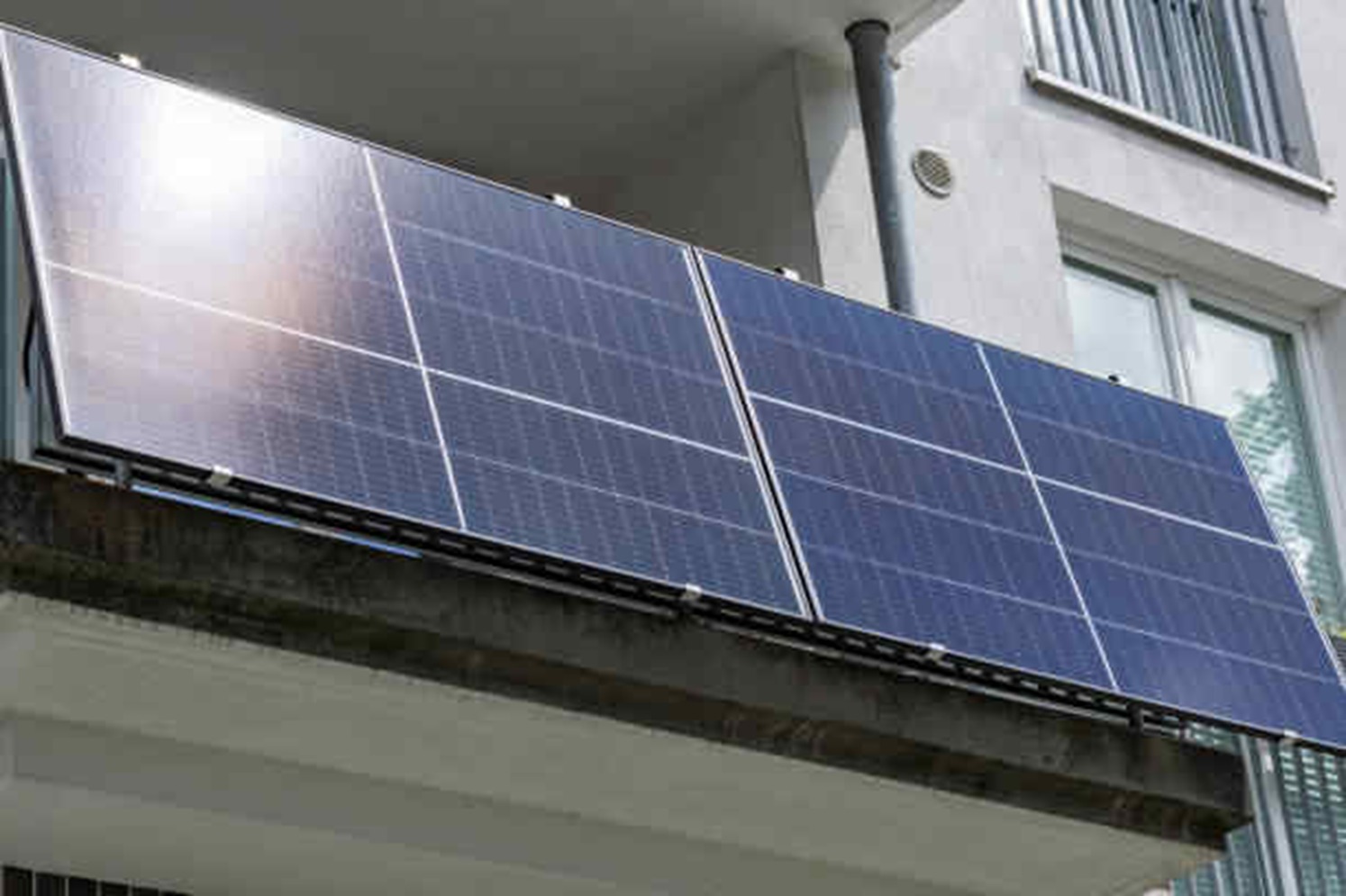
Installation and Maintenance
One of the most appealing aspects of balcony solar systems is their ease of installation. Designed as plug-and-play systems, they don’t require professional wiring, and their modular nature allows for flexibility. Once installed, these systems require minimal maintenance—usually just routine cleaning of the panels to ensure optimal sunlight absorption.
Limitations and Considerations
While balcony solar systems offer considerable advantages, there are some limitations. The power output depends on the balcony’s exposure to sunlight, meaning that apartments facing away from the sun may see reduced efficiency. Additionally, while these systems contribute to energy independence, they typically won’t provide full energy self-sufficiency for most households due to size constraints.
- Easy Installation : : Designed for straightforward, DIY setup, these systems allow users to install them without needing a certified electrician. This ease of installation makes solar power more accessible, especially for people in apartments, rented homes, or places with limited rooftop space.
- Cost-Effectiveness: Balcony solar systems can pay for themselves within three years due to energy savings, providing a budget-friendly solution for many. Additionally, subsidies in cities like Berlin cover up to 50% of the installation cost, making them even more affordable.
- Portability: Unlike traditional rooftop systems, which are difficult to reinstall, balcony solar setups are compact and portable. They can be easily removed or moved without impacting building infrastructure, making them ideal for renters and frequent movers.
- Energy Independence: By generating clean energy, users can reduce their reliance on the grid, achieve greater energy self-sufficiency, and lower their carbon footprint.
Moving Toward a Sustainable Future
As more residents seek out renewable energy solutions, balcony-based solar power systems represent a significant step forward in making sustainable energy more accessible. Whether for homeowners or renters, these systems offer an effective way to cut down on energy costs and promote environmental responsibility, empowering individuals to contribute to a greener, more energy-independent future.