Maintenance of Solar system
The operation and maintenance (O&M) of a solar energy system are crucial to ensure optimal performance, longevity, and return on investment. Solar power systems, whether rooftop or ground-mounted, can significantly benefit from regular O&M activities, enhancing energy production and ensuring reliability over time.
1. Monitoring System Performance
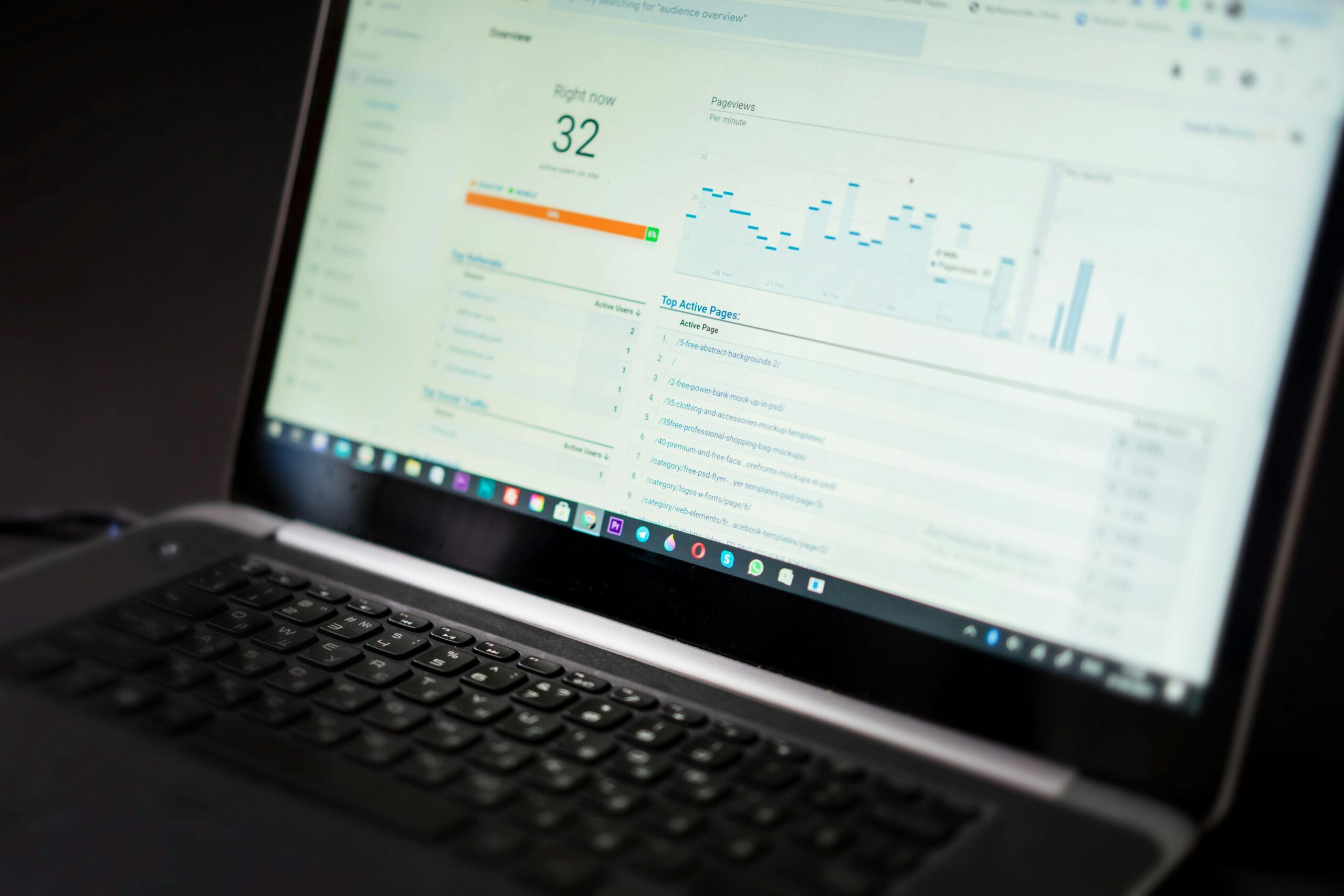
- Energy Output Tracking : Monitoring energy production regularly helps in identifying any dips in performance. Many solar inverters come with digital interfaces or remote monitoring systems that allow real-time tracking of energy generation.
- System Efficiency Check : Efficiency can degrade due to factors like dust accumulation, shade, or weather changes. Real-time data can help spot and troubleshoot these issues.
- Error Detection : Some monitoring systems automatically notify technicians or system owners of errors or irregularities, such as a panel malfunction or inverter issues.
2. Cleaning and Inspection
- Panel Cleaning : Dust, pollen, bird droppings, and other debris can accumulate on panels, reducing energy production. The frequency of cleaning depends on the environment—urban or desert areas may require more frequent cleaning.
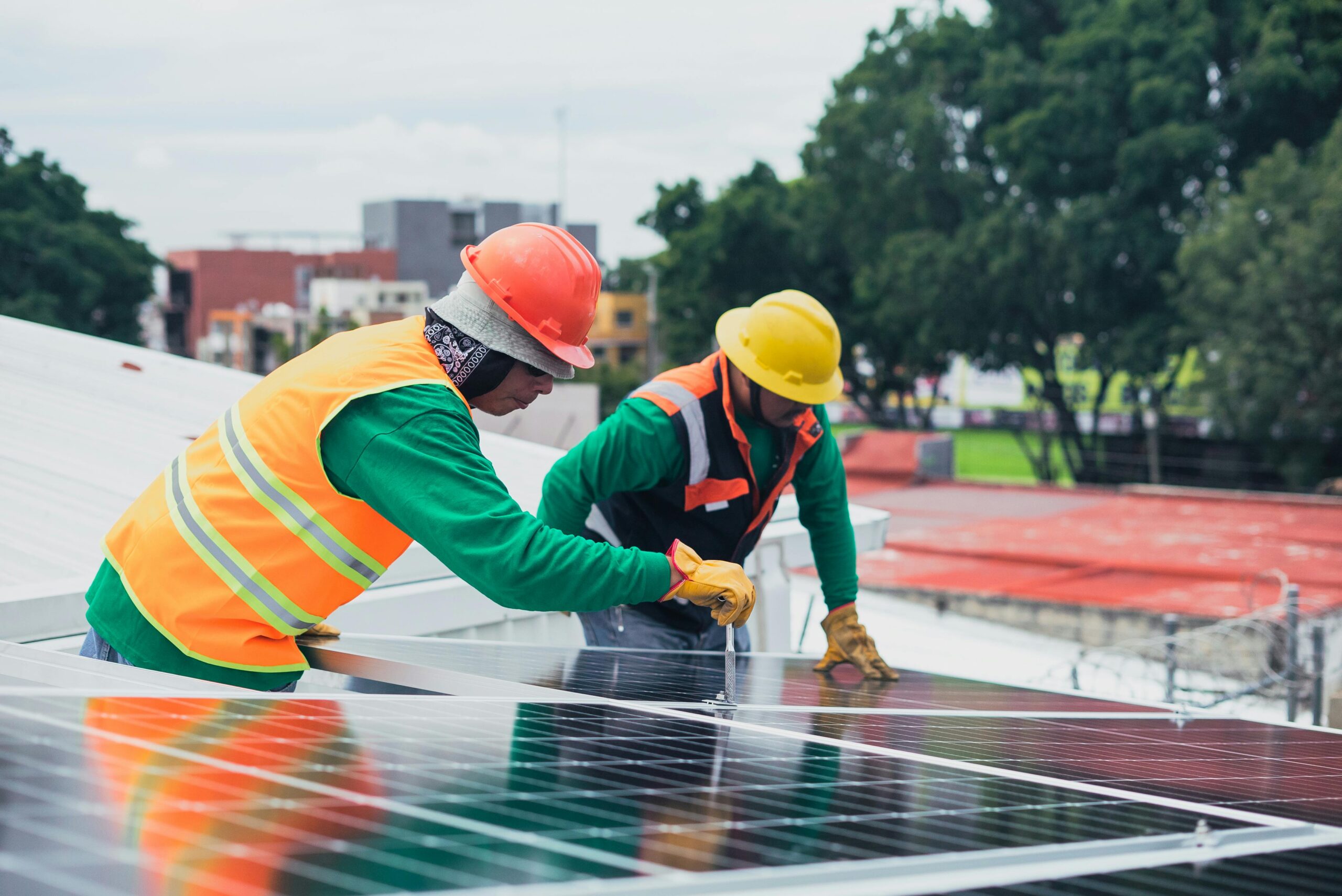
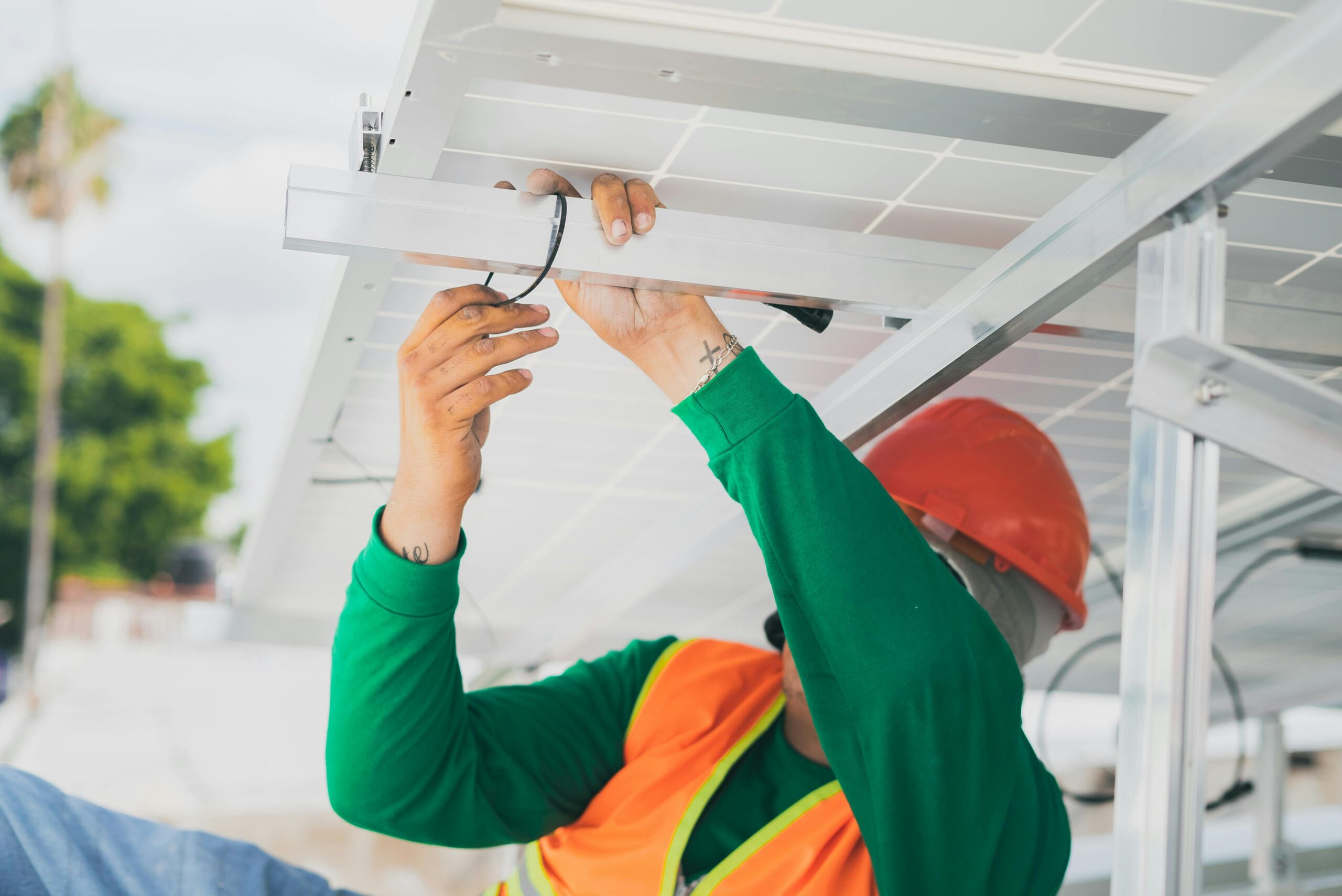
- Structural Inspection : Panels, mounts, and racking systems should be inspected periodically to ensure they are secure and undamaged. Extreme weather, such as hail or strong winds, can impact panel integrity.
- Inverter and Connection Checks : The inverter is essential in converting DC electricity from solar panels to AC electricity for household or grid use. Regular inspection and testing of the inverter and electrical connections prevent issues and ensure safe operation.
3. Inverter and Battery Maintenance
- Inverter Servicing : Inverters typically have shorter lifespans than panels and may need replacement every 10-15 years. Regularly inspecting them for signs of wear and overheating is important.
- Battery System Maintenance (if applicable) : For systems with battery storage, it’s essential to check for battery health, voltage consistency, and ensure batteries are stored at an optimal temperature. Over time, batteries may require replacement as they degrade with use.
- Error Detection : Some monitoring systems automatically notify technicians or system owners of errors or irregularities, such as a panel malfunction or inverter issues.
4. Preventive Maintenance and Scheduling
- Routine Maintenance : Preventive maintenance involves scheduled inspections and proactive replacements. By anticipating issues, solar providers can prevent costly downtimes and extend the lifespan of the system.
- Maintenance Scheduling : Some companies offer annual maintenance contracts that include inspections, cleaning, and repairs. Regular scheduling minimizes the need for emergency repairs and optimizes performance.
5. Warranty and Documentation Management
- Warranty Compliance : Solar panels usually come with warranties for 20-25 years, while inverters have shorter warranties (often 5-10 years). Keeping track of warranties ensures that components are repaired or replaced within warranty periods.
- System Documentation : Maintaining records of system performance, O&M activities, and component replacements helps keep track of the system’s history and assists in troubleshooting.
6. Software and Data Analytics
- Performance Analysis Tools : Many modern solar systems use AI-powered software for performance predictions and anomaly detection. These tools can optimize production and assist in maintenance planning.
- Fault Diagnostics and Remote Troubleshooting : Advanced diagnostics help identify faults quickly, often allowing technicians to troubleshoot issues remotely before sending a repair team onsite.
7. Safety Precautions
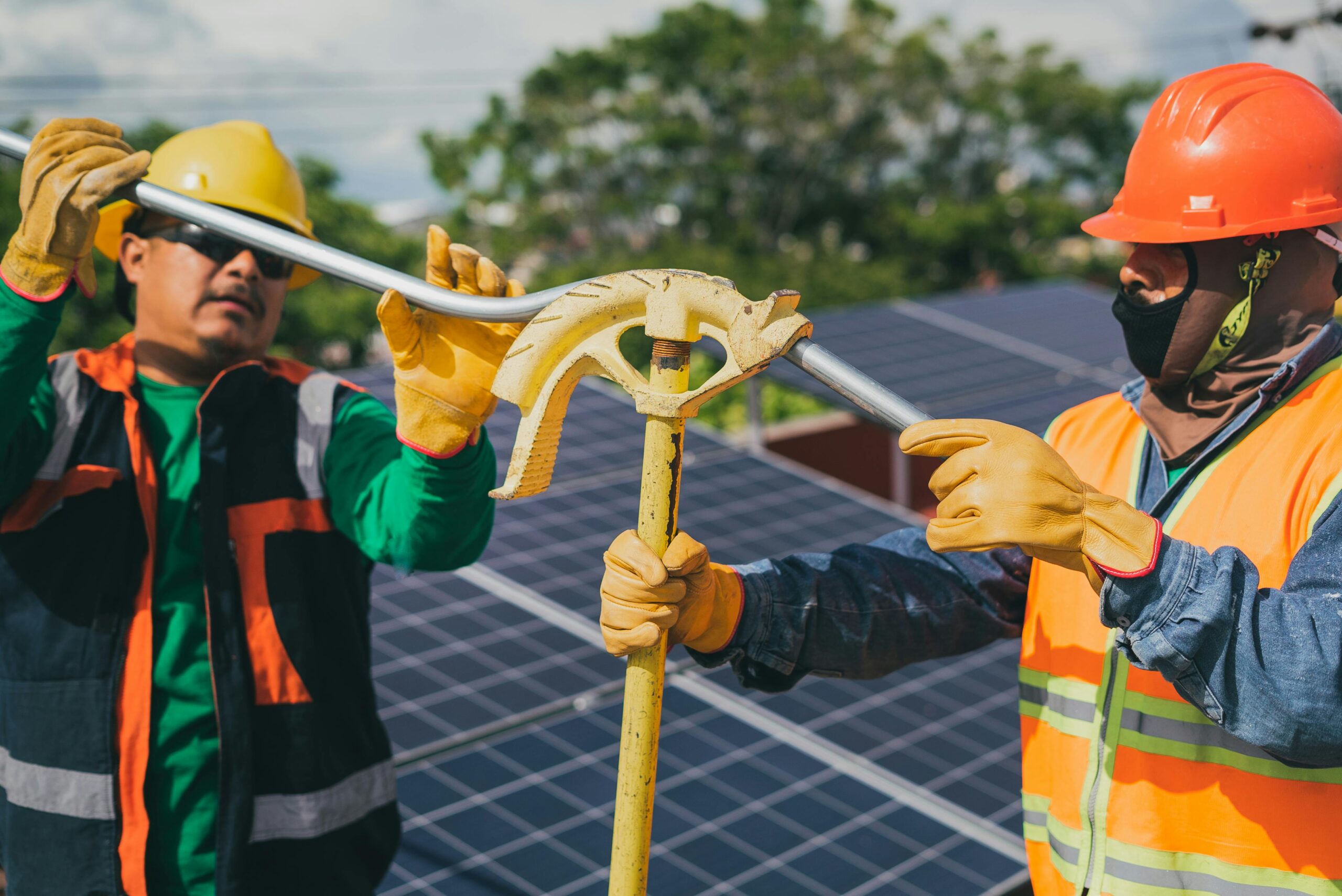
- Electrical Safety : Technicians working on solar systems need to follow safety procedures to handle high-voltage equipment, especially when inspecting or servicing inverters and batteries.
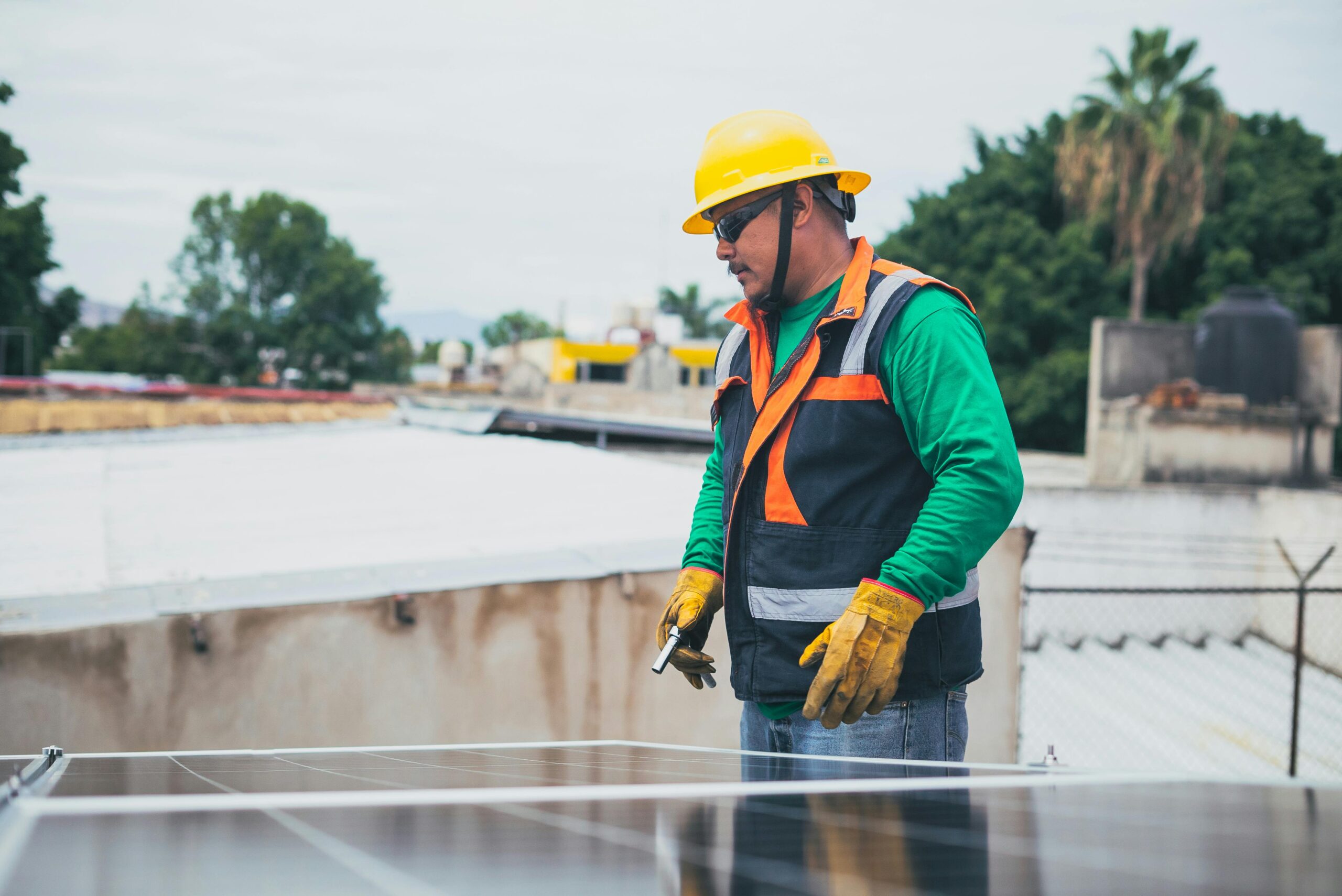
- Regular Safety Training : Technicians should be trained on current safety standards, including protective gear, emergency procedures, and working at heights (for rooftop systems).
Effective O&M services maximize the system’s output and extend its lifespan, providing better financial returns for system owners and making solar energy a more reliable investment. As the solar industry continues to evolve, advancements in monitoring and maintenance technologies are also likely to streamline these processes, further reducing costs and enhancing efficiency.